On our third day in New Zealand, we were booked to go whale watching with the hopes of seeing a sperm whale or two. The weather had been questionable, and a girl in our hostel who had been on a trip the previous day said it had been a bit “bouncy” ( ). But she did see three whales so we were hopeful. Knowing my sea legs are basically non-existent, I prepared by applying a a seasickness patch the night before, and popping a Dramamine the morning of the boat trip.
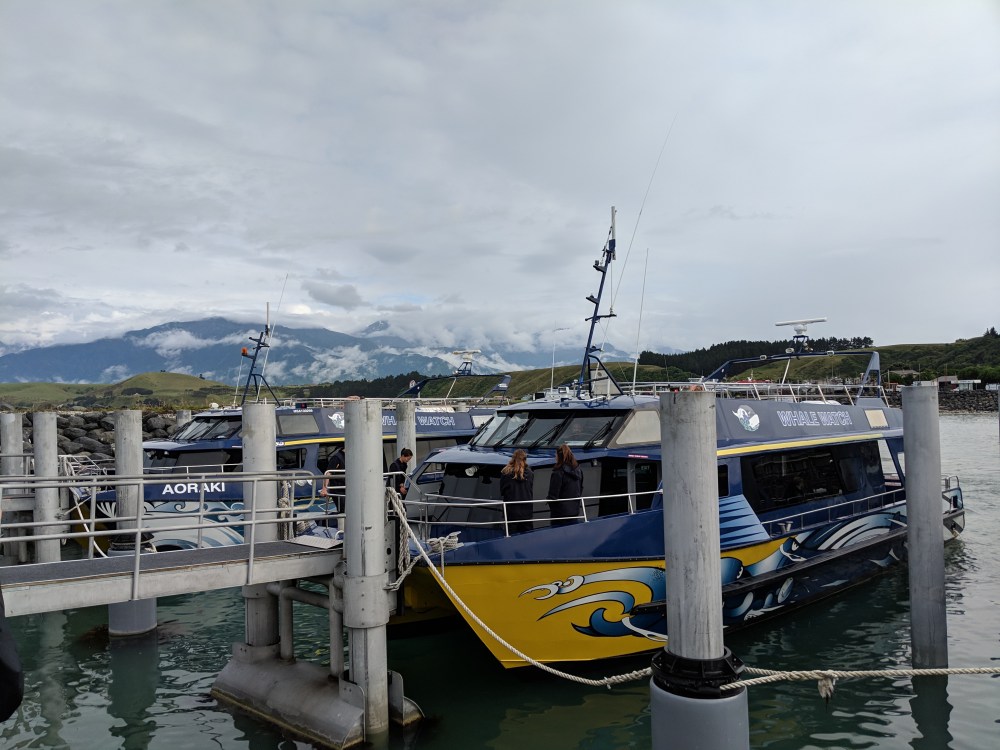
We climbed aboard grabbing a seat at the back and by a window, and within a few minutes we saw some Dusky Dolphins chasing our boat! I know we were there for the whales, but I was pretty excited about that too. We did not get to stop to watch or grab photos since we were on a mission, but that moment got everyone on the boat excited for what we might see that day.
The process for finding the whales each day was routine: Drive out to an area they tend to hang out, go out on the deck, watch, listen for whale clicks with this Seuss-aphone looking gadget (they don’t use sonar which is great because it can disturb the whales’ hunting process), and try to move closer to them. We did this a few times:
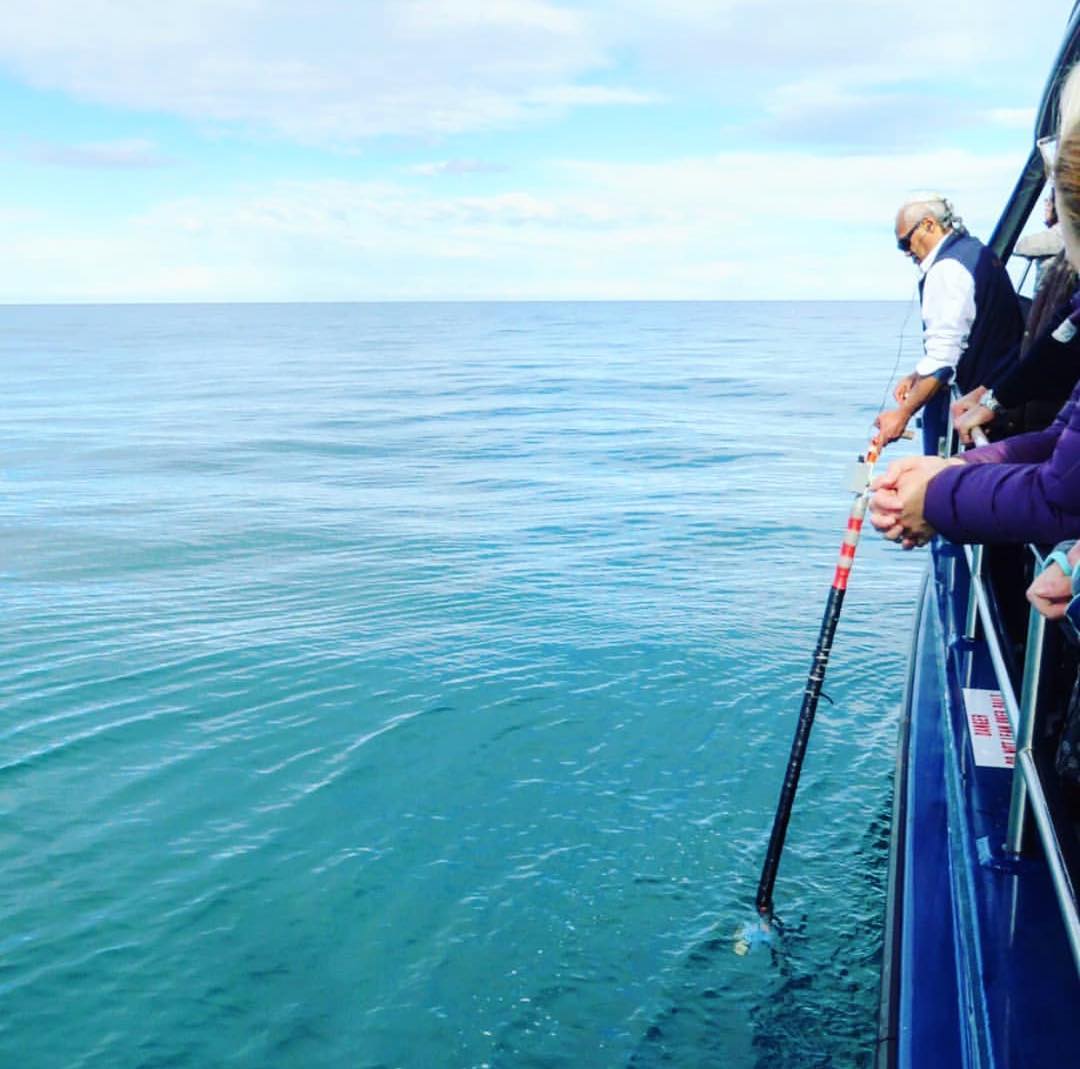
- Image borrowed from Whale Watch Kaikoura
At stop number one, we heard no whales so we piled back into our seats and moved on. At stop number two it was the same story. No whales in site, but we did start seeing a handful of albatross fly around the boat which was pretty cool. At stop number three we thought we heard some clicks and got excited – but again there were no whales to be found. I started to get a bit discouraged at this point, and many passengers started turning green from the rocking of the boat. (The seas were calm, but there is always some swaying on the open ocean.)
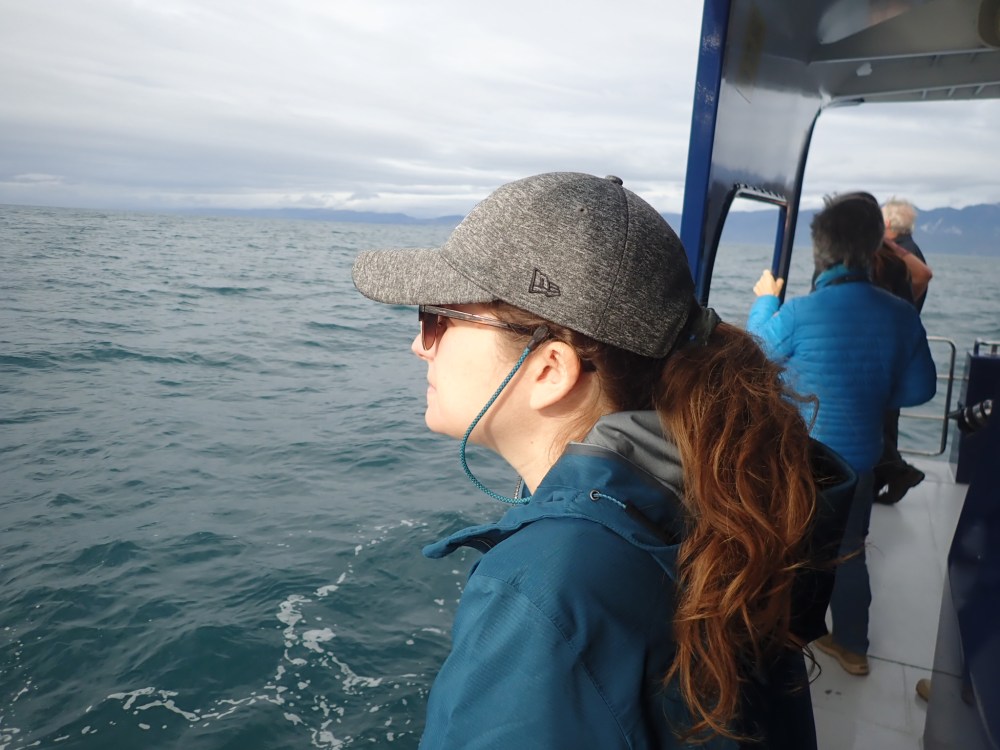
But at stop number 4 the tides turned – the captain heard a sperm whale! Then we began the process of getting as close as possible to the whale in time to see it come to the surface. They tend to spend about 45 minutes in a dive, and about 10 minutes or so recovering on the surface, so the viewing window is pretty tight. As we inched closer and continued to listen and check, we determined we were in a good position to the spot the whale, and he had not come up from his dive just yet. As we waited, another boat came up to wait for the whale, as did a helicopter tour.
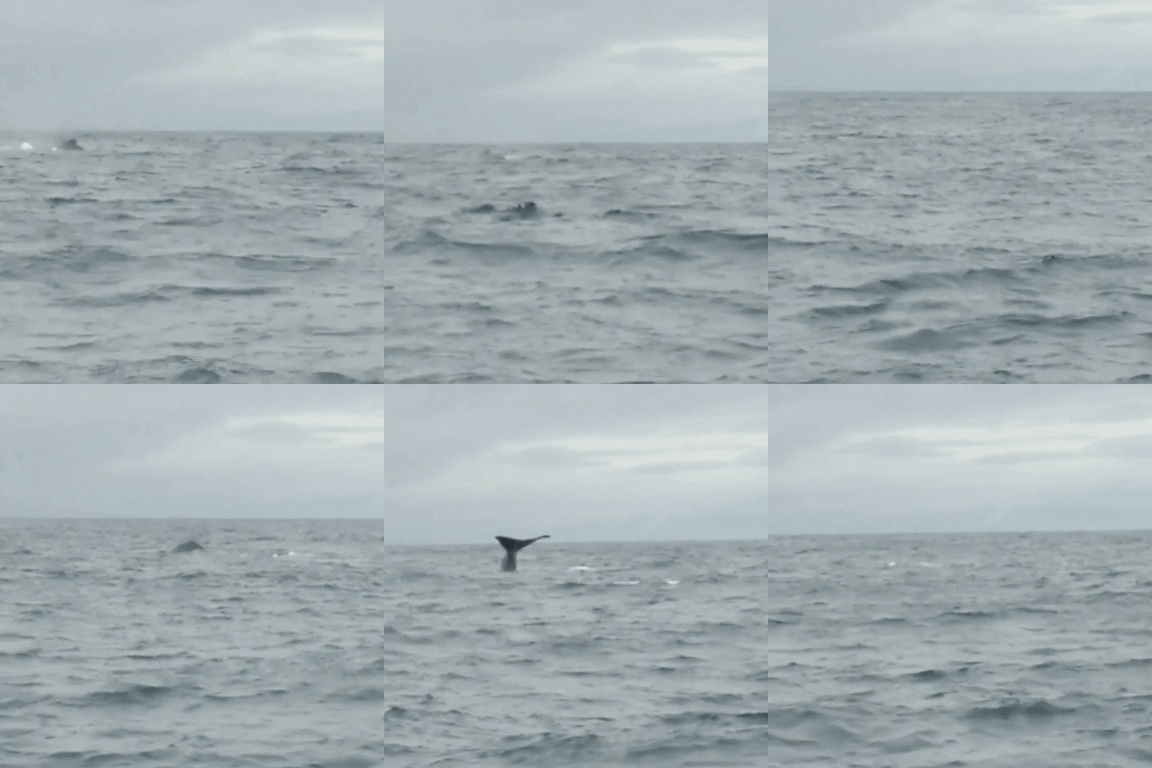
When he finally surfaced we were treated to 10 minutes or so of sprays from the whales blowhole, and solid views of his dorsal fin. (They do not typically breech the water like humpbacks – so this was the best we could hope for.) And after he warmed up and caught his breath, he went down for his next dive and said goodbye with a big flick of his tail. We were thrilled! (And Brandon and I were itching to jump in to get some dive time with him – but sadly that was not an option.)

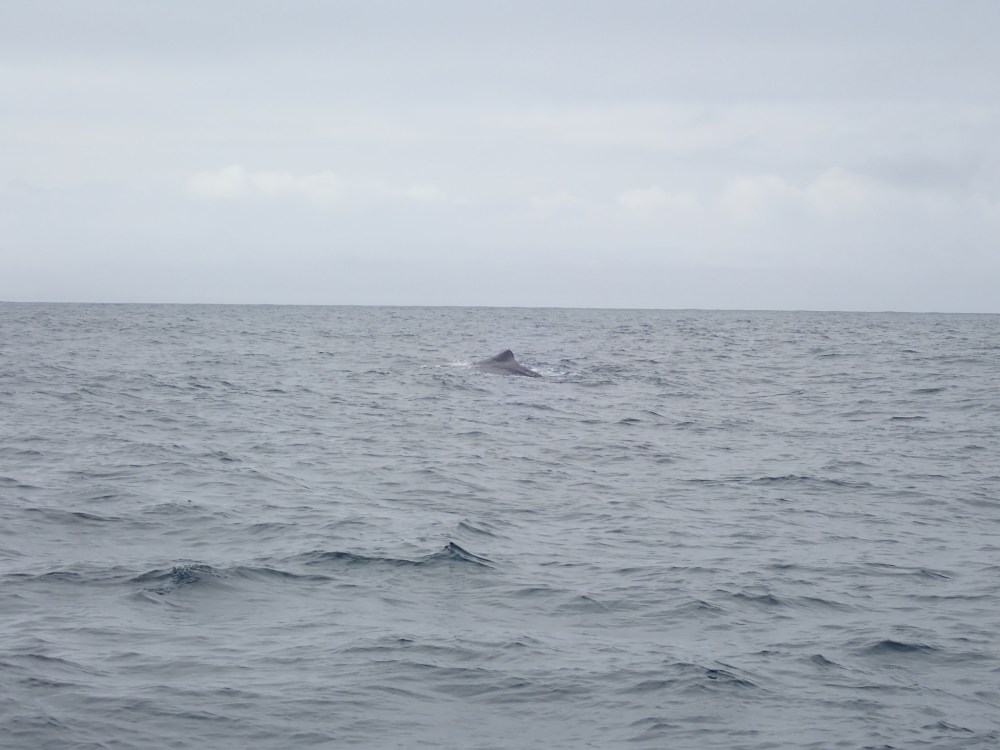
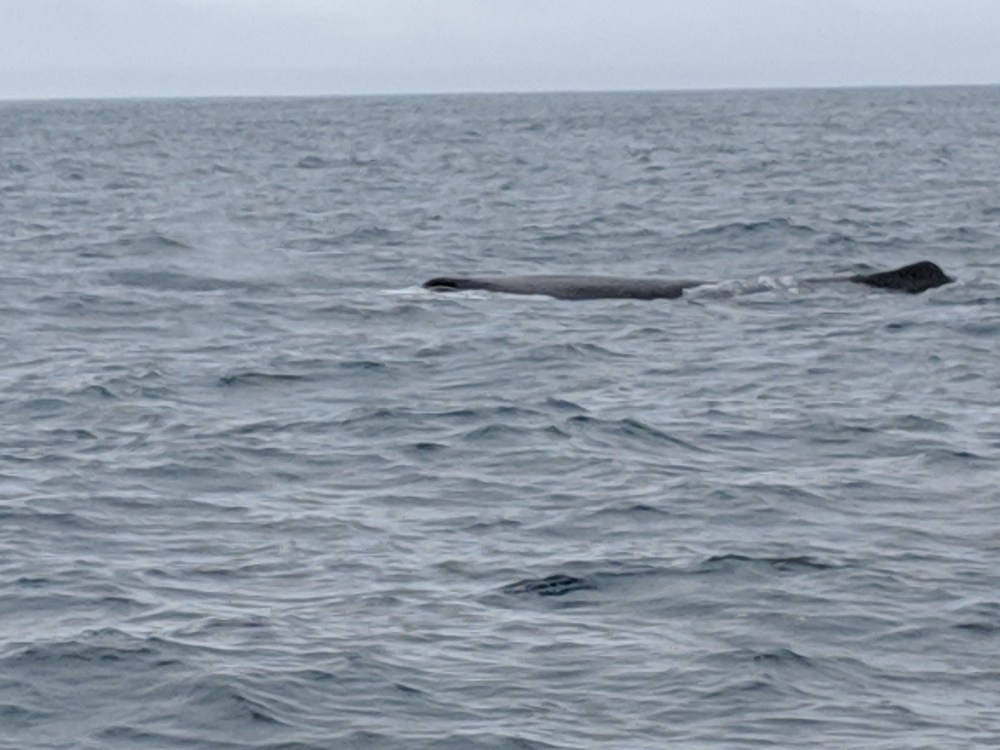
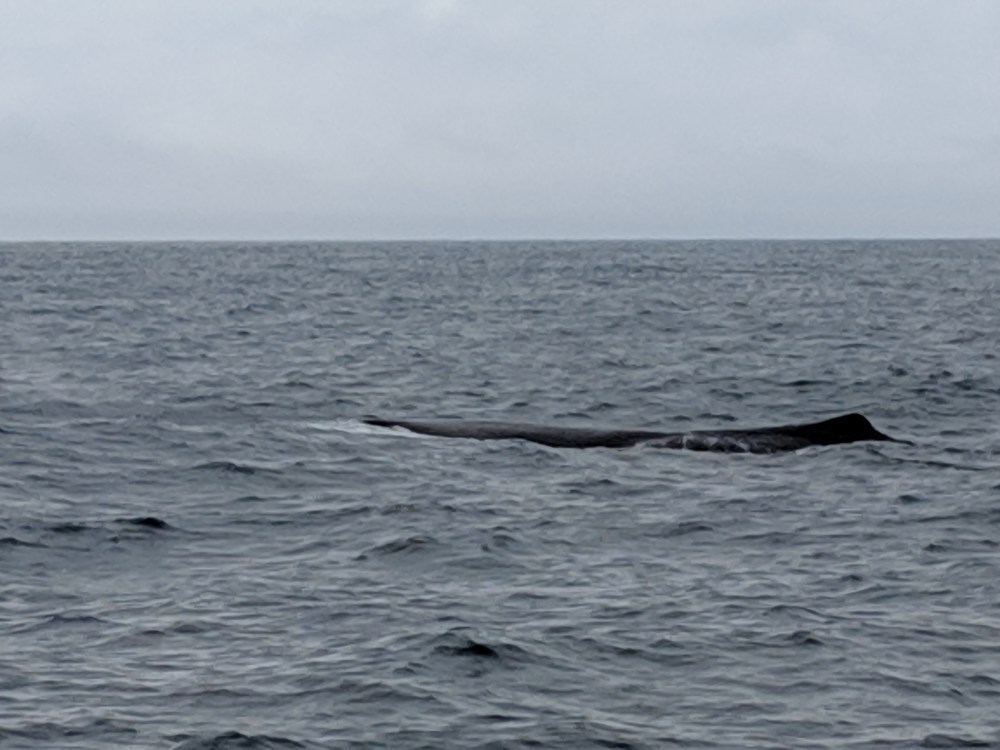
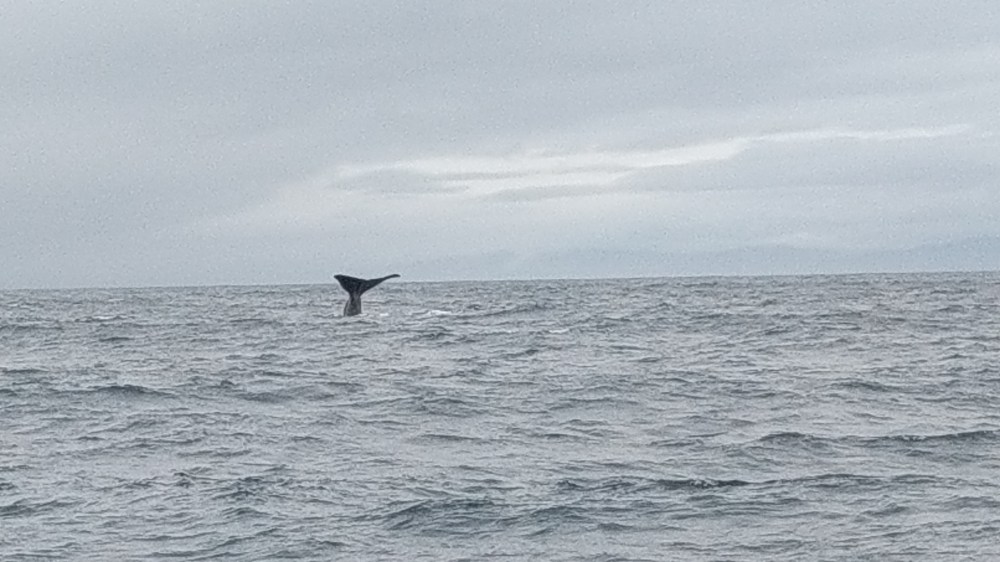
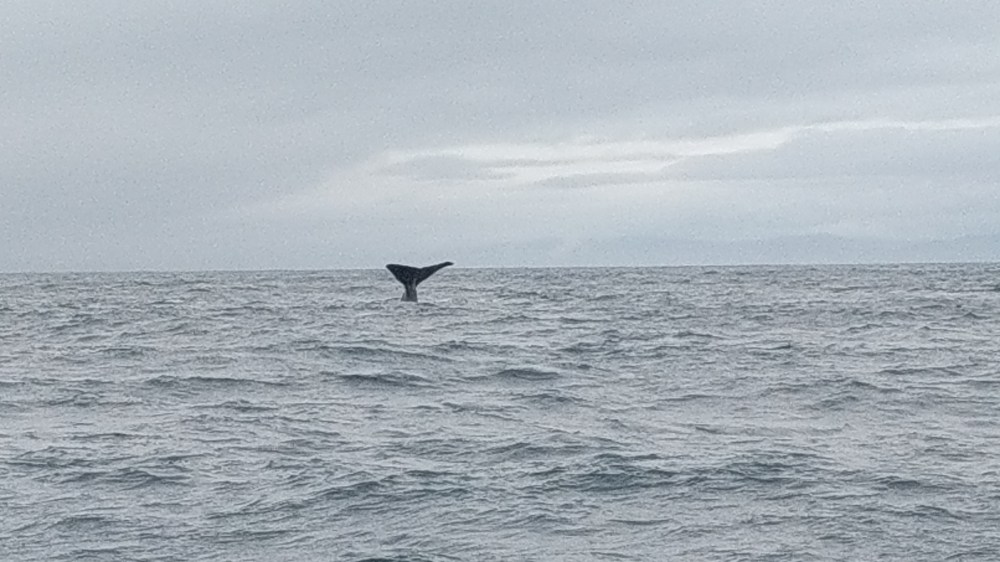
On our way back to shore and the tour offices, we spotted some fur seals as well as a couple of jumping Hector’s dolphins. We also learned that sperm whales got their name from the first guys who caught one. When they hauled one on their boat, they cracked open its head to see what was inside. A bunch of white liquid (which is a waxy substance they use for diving, warmth, sonar, etc…) came pouring out. Being the creative men they were, the gave this great whale its name and it stuck.
All in all it was a solid day on the water and – BONUS – I did not get sick! That is a big win for me. Once back on land, we attempted to go climb the nearby Mt Fyffe – but we were tired, the path was steep, and the clouds had come in covering any possible view we would have had. So we called it a day and loaded up the car to head to our next stop: Nelson.
Notes for your visit: While we could not swim with the lovely sperm whale, Kaikoura does offer swimming experiences with seals and dolphins. We did not know about them in time, but something for next time, right?
 Brandon & Devon (BaD) Journey